SEO
Calculating...
Aug 2026
Best Enterprise SEO Tools - 8 Powerful Tools Compared
If scaling SEO feels chaotic, the right enterprise SEO tools can bring clarity. Compare features to support long-term growth. Make an informed choice.

If you’re managing SEO across hundreds or thousands of pages, the right tools quickly become essential. Enterprise SEO platforms help you run technical SEO audits, track rankings at scale, analyze backlinks, and create executive-level reporting that keeps teams aligned.
But as your site and team grow, so does the complexity. Different tools focus on different areas: some are stronger in technical SEO, others in content optimization or performance tracking.
In this guide, you’ll discover the best enterprise SEO tools and how to evaluate the right investment for your organization.
What We'll Cover
TL;DR - Best Enterprise SEO Tools
Before we go into the details, here’s a quick overview of the tools covered in this guide and what their best use case is:
| Tool Name | Key Feature | Best Use Case |
|---|---|---|
| seoClarity | AI-driven automation with Sia and large-scale technical audits | Automating SEO workflows and managing large SEO teams |
| BrightEdge | Data Cube keyword intelligence and automated content optimization | Scaling enterprise content strategy and opportunity discovery |
| Conductor | Real-time insights and collaboration workflows | Coordinating SEO insights across marketing, content, and product teams |
| Botify | Deep crawling and log file analysis | Diagnosing complex technical SEO and crawl budget issues |
| Lumar | Large-scale crawling and site monitoring | Monitoring technical health across large, dynamic websites |
| Surfer SEO Enterprise | SERP-driven briefs and optimization scoring | Maintaining consistent on-page optimization across large content teams |
| Semrush Enterprise | Automated linking insights and forecasting tools | Managing competitive research and SEO performance tracking |
| Ahrefs Enterprise | Extensive backlink database and site monitoring | Strengthening authority and analyzing competitor backlink strategies |
Why is Enterprise SEO Important for Large Organizations?
For large organizations, SEO isn’t just about ranking a few blog posts. It’s about managing visibility across thousands of pages, multiple product areas, and often several markets.
At this scale, small gaps in structure, content, or technical setup can impact large sections of your site. Enterprise SEO helps you stay consistent across all of it, so your most important pages are discoverable, aligned with search intent, and support your overall growth strategy.
Most importantly, enterprise SEO connects organic visibility with business outcomes. When done well, it supports demand generation, strengthens brand authority, and drives a steady pipeline of qualified traffic.
Key Challenges of Enterprise SEO
When you’re managing a large-scale enterprise SEO strategy, the challenges look very different from what smaller teams deal with. As your site grows, complexity increases quickly.
Here are a few common challenges you’ll likely face:
- Website Complexity: If your site has thousands of pages, even small issues, like duplicate pages, broken internal links, or important pages not being indexed, can scale quickly.
- Cross-Team Coordination: SEO rarely sits with one team. You’re often working across content, product marketing, engineering, and leadership, which means workflows and priorities need to stay aligned.
- Scaling Content: Publishing more content is easy. Keeping it consistent, relevant, and aligned with search intent across hundreds of pages is where it gets difficult.
- Performance Visibility: When you’re operating across multiple products, regions, or markets, it becomes harder to clearly understand what’s driving results and where gaps exist.
- Authority Building: At the enterprise level, you’re competing with well-established brands, which makes it harder to consistently build and maintain strong search authority.
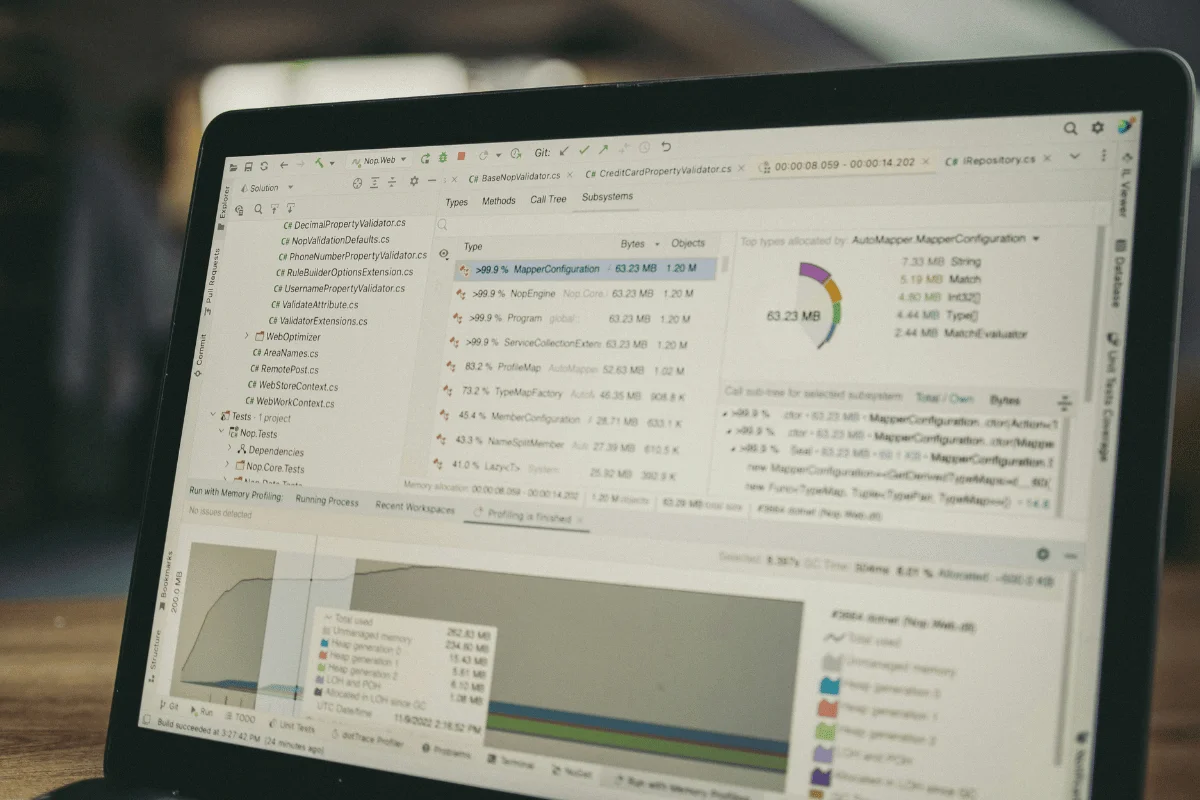
Must-Have Features in Enterprise SEO Tools
These challenges are exactly why enterprise teams rely on specialized platforms. The right tools help you manage complexity, coordinate across teams, and turn SEO data into clear priorities.
Here are some features you should look for when evaluating enterprise SEO platforms:
- Technical SEO Audits at Scale: You need a platform that can continuously monitor crawlability, indexation, site architecture, and performance across thousands of pages without missing critical issues.
- Large-Scale Rank Tracking: If you operate across multiple markets or products, your tool should accurately track keyword rankings across devices and locations. It will help you understand where your real visibility comes from.
- AI-Powered Workflow Automation: Automation can save your team hours by helping with tasks like keyword research and clustering, opportunity discovery, and reporting.
- Content Optimization: Look for platforms that provide SERP-based recommendations, content scoring, keyword and topic coverage, and competitor comparisons.
- Backlink Analysis and Authority Insights: Your enterprise SEO tool should have strong link intelligence to help you monitor your backlink profile and identify opportunities to strengthen your domain authority.
- SaaS Funnel and Product Page Alignment: For SaaS companies, it’s important that your tool connects SEO efforts with key pages such as features, integrations, and pricing. This ensures your traffic supports trials, demos, and conversions.
- Executive-Level Reporting: The tools must provide clear dashboards that show how SEO contributes to traffic growth, conversions, and pipeline.
Top 8 Enterprise SEO Tools to Consider
Once you know which features to look for, the next step is choosing an SEO tool that actually offers them. Each enterprise SEO platform takes a slightly different approach: some focus heavily on technical monitoring, while others prioritize content optimization tools, backlink analysis, or AI-powered workflow automation.
These are some of the tools worth exploring to support large-scale SEO management:
1. seoClarity
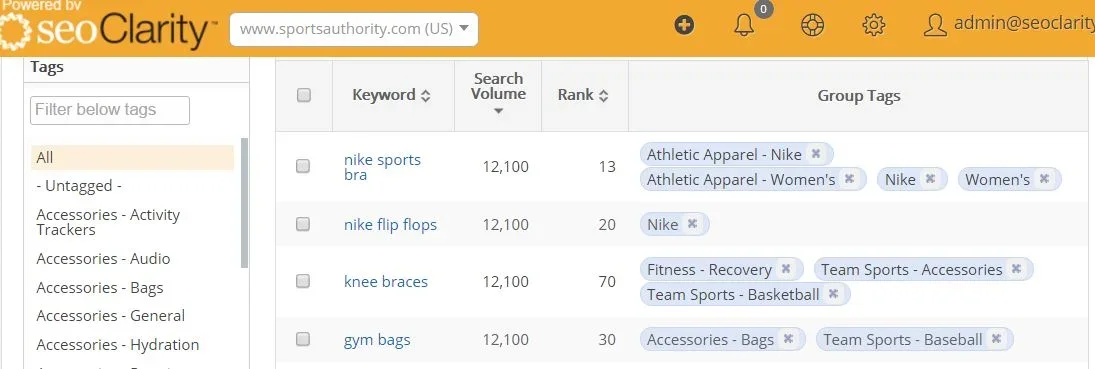
seoClarity is built for organizations managing large websites and complex SEO workflows. Its AI assistant, Sia, helps you generate content briefs, outlines, and drafts directly from SERP insights, which can save your team significant research time.
It also includes ClarityAutomate, which handles internal linking across large sites using crawl and Search Console data. When you combine this with large-scale enterprise SEO audits and historical rank tracking, you get an excellent tool to manage multiple domains or pages.
2. BrightEdge
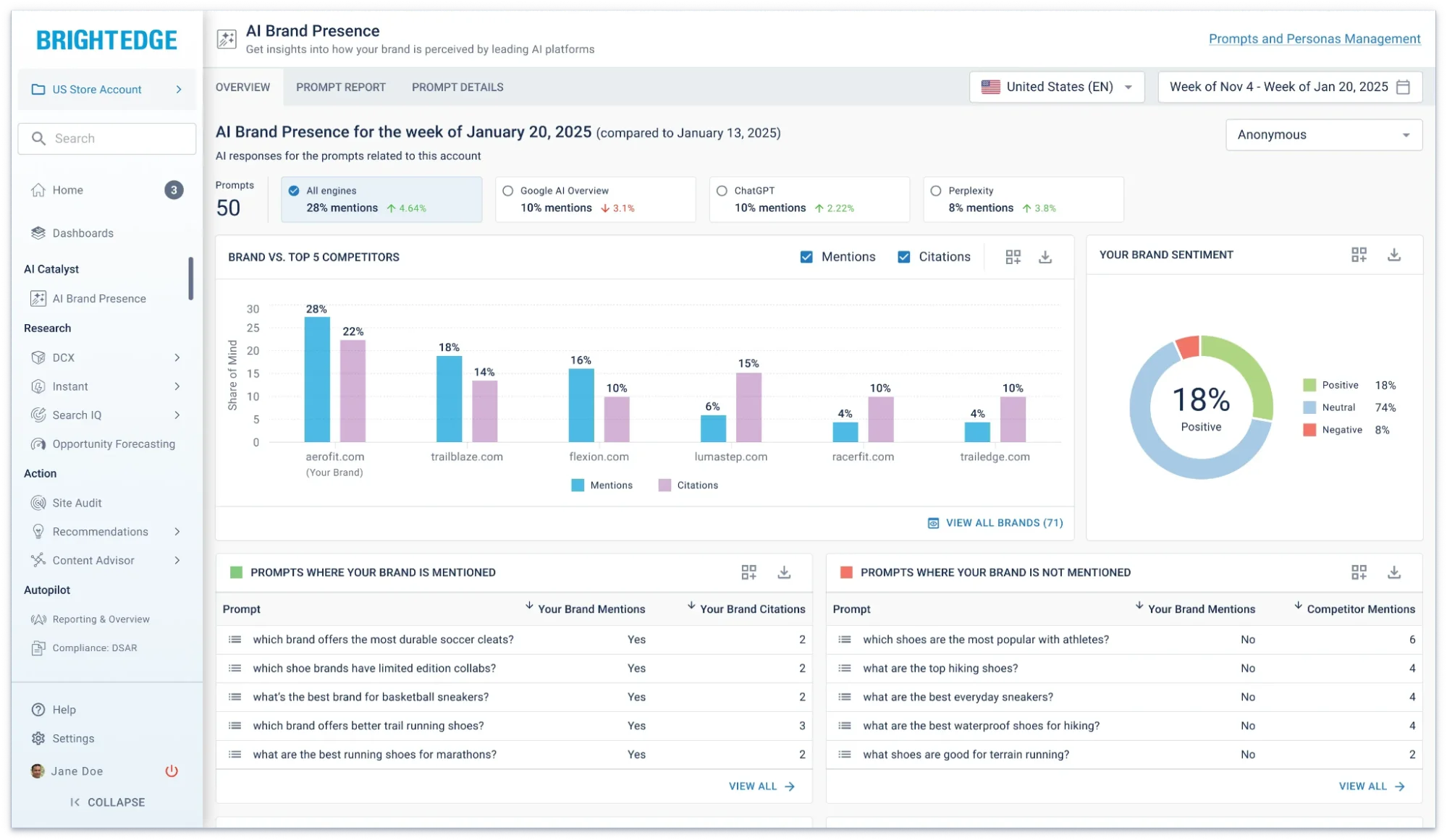
BrightEdge is a popular choice among enterprise teams with a strong focus on content performance. Its Data Cube helps you identify keyword gaps and content opportunities across markets, while Copilot AI supports topic ideas, titles, outlines, and optimization suggestions.
If you operate across multiple regions or want to manage content at scale, BrightEdge’s Autopilot feature can automatically roll out improvements, like internal links or page updates, across large numbers of pages.
Before you make a decision, read our guide on BrightEdge reviews, which breaks down its features and pricing in more detail.
3. Conductor
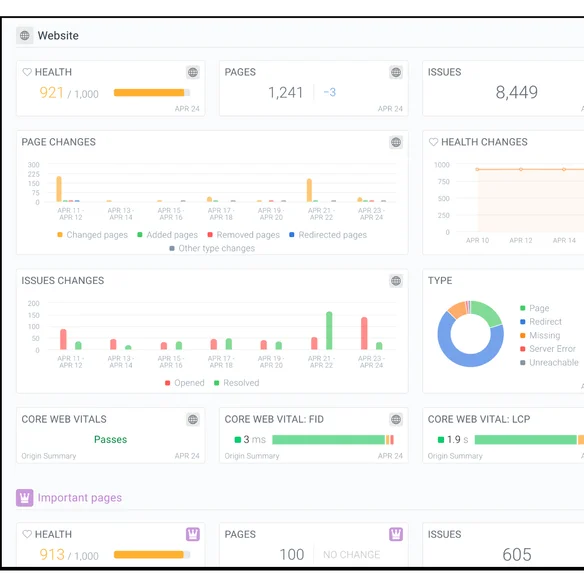
Conductor is built for organisations that need to manage SEO across multiple teams and large websites. It brings insights, collaboration, and reporting into one place, which makes it easier to align SEO efforts across content, marketing, and leadership.
Its AI Content Guidance compares your website’s pages with top-ranking competitors and highlights gaps in structure and keyword coverage. You also get real-time alerts when issues like indexing problems or traffic drops appear, so you can respond quickly.
With custom dashboards and integrations, Conductor is especially useful for enterprises that need clear visibility into performance and structured executive-level reporting.
If you want a deeper look at the tool, check out our blog on Conductor reviews to understand its features, use cases, and limitations.
4. Botify
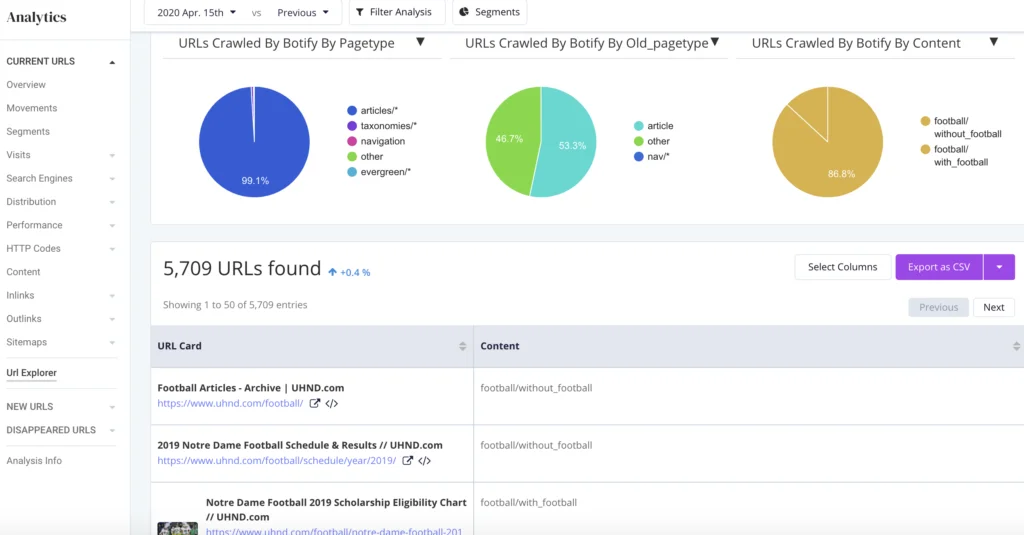
Botify focuses on deep technical SEO analysis. Its crawler can analyze millions of URLs, helping you identify crawl issues, orphan pages, and site architecture problems across large websites.
You also get a log file analyzer that shows you exactly how search engines are crawling your site, so you can spot wasted crawl budget and focus on fixes that will have the most impact on visibility.
5. Lumar (ex-DeepCrawl)
.webp)
Lumar is built for teams managing very large websites. It lets you crawl multiple domains and track changes in indexation, performance, and site structure over time.
The platform also flags unusual changes automatically, so you can catch technical issues early. If your site has thousands of pages or changes frequently, Lumar helps you keep technical SEO under control without continuous manual checks.
6. Surfer SEO Enterprise
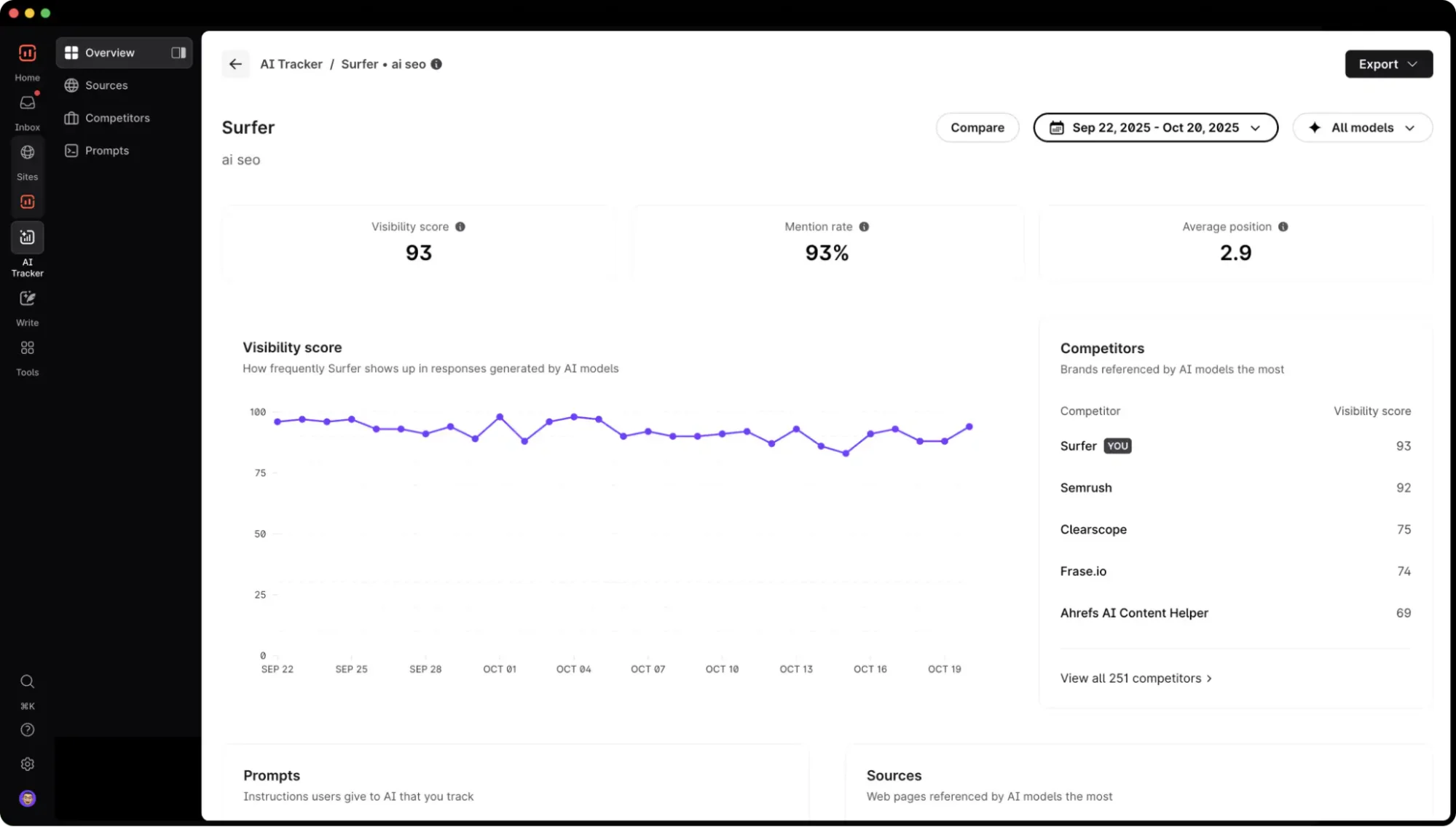
Surfer SEO Enterprise is designed for enterprise teams that publish content at scale. Its SERP Analyzer studies top-ranking pages and automatically generates content briefs, optimization guidelines, and scoring systems for your writers.
You can also manage topic clusters and get internal linking suggestions to strengthen topical authority across your site. If your team is focused on scaling content production, Surfer works well as a content optimization tool that helps maintain consistency across large publishing workflows.
For a deeper look at the platform, check out our Surfer SEO review, where we break down its features and use cases in detail.
7. SEMrush Enterprise
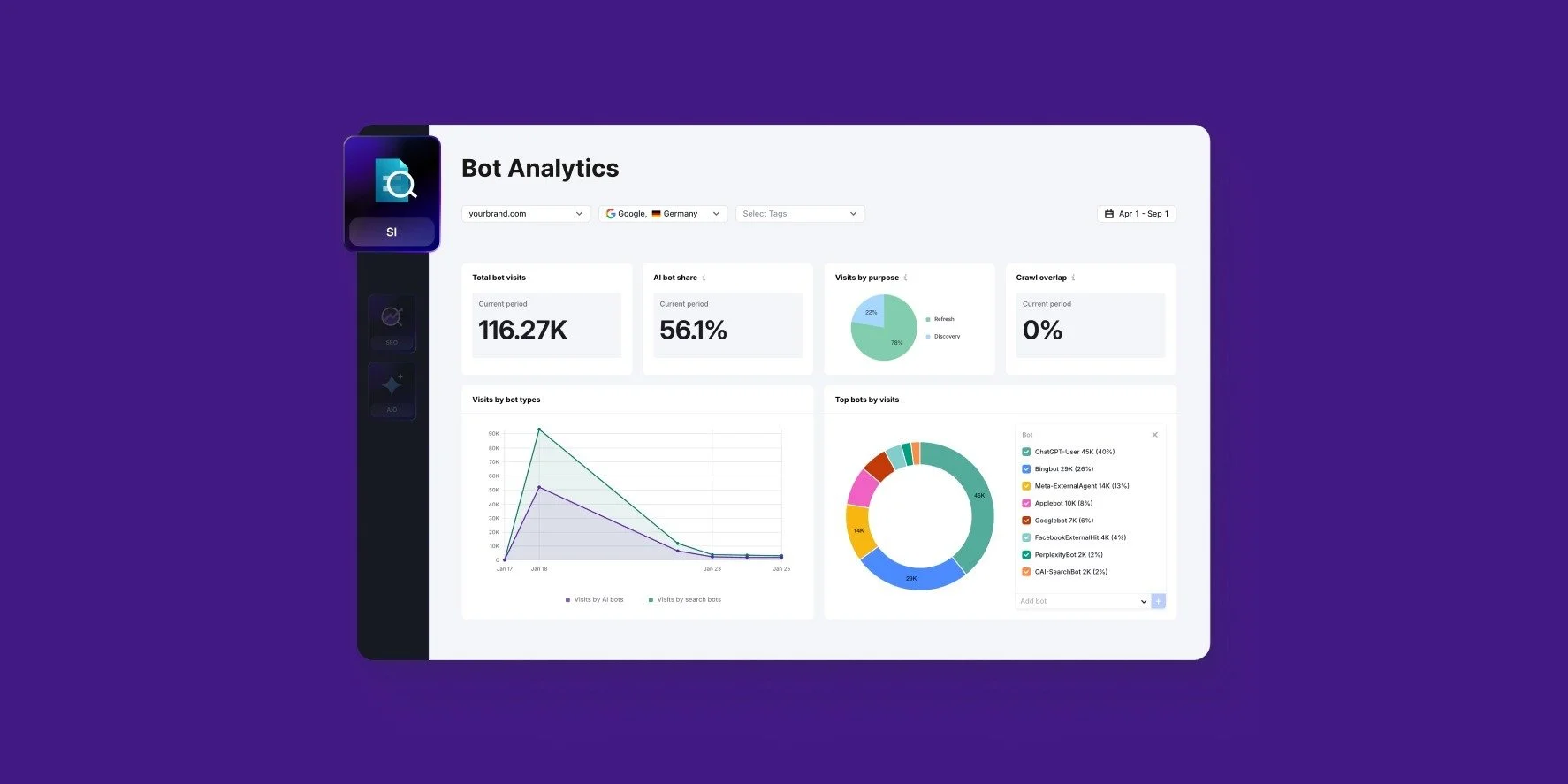
Semrush Enterprise expands the well-known SEMrush toolkit with automation and advanced data integrations for large organizations.
It has features such as Link Recommender, which automates internal linking and provides anchor text suggestions, and performance dashboards that track keyword and page-level changes across large websites.
8. Ahrefs Enterprise
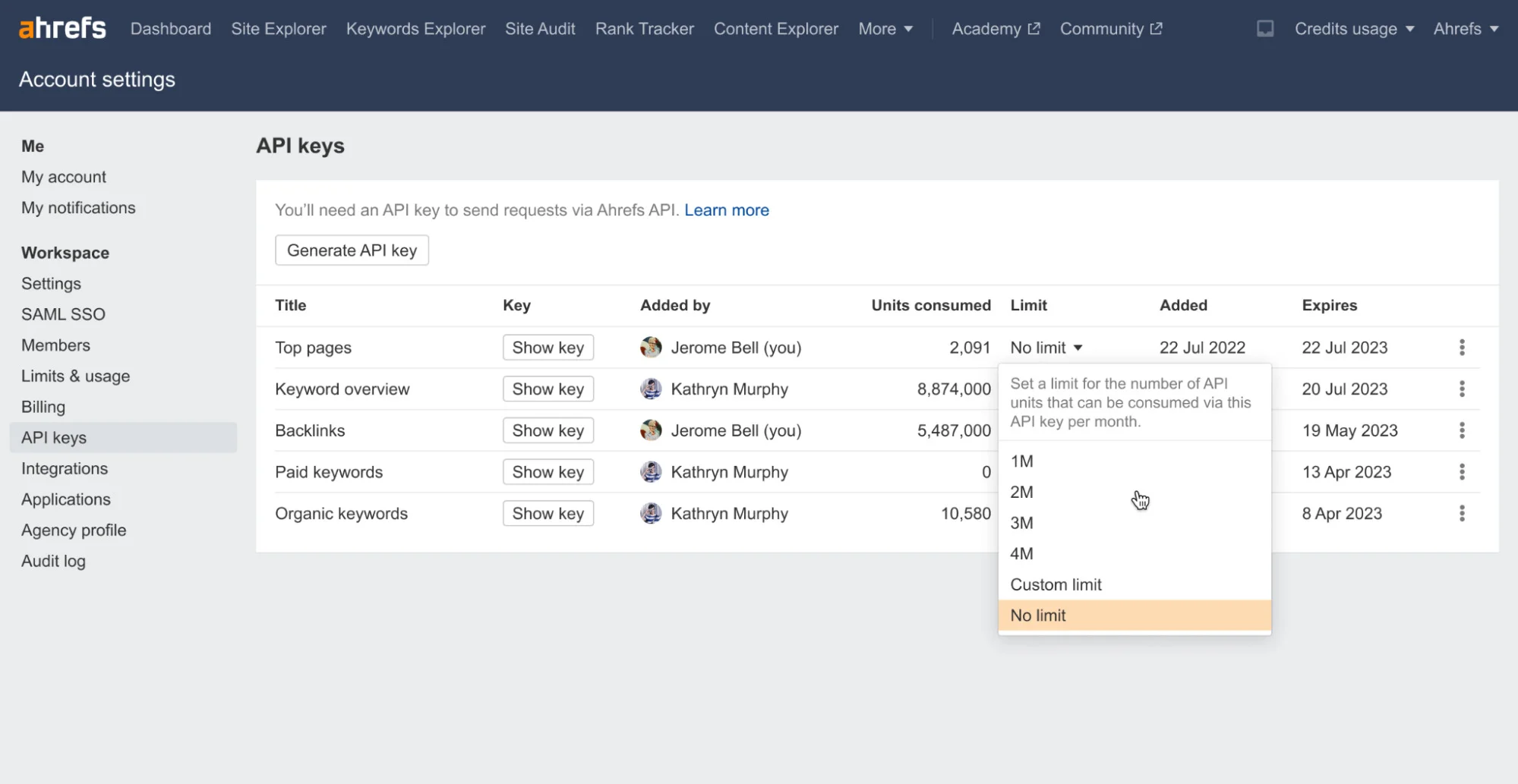
Ahrefs Enterprise focuses on large-scale SEO monitoring and competitive analysis. It supports unlimited crawls, projects, and users, which makes it easier for large teams to manage site health across multiple websites.
Ahrefs is especially strong in backlink analysis, offering one of the largest link databases available. Its Content Explorer and batch analysis tools also help you identify content gaps, track competitors, and monitor rankings at scale.
The tools above can help you analyze data and manage SEO workflows. But scaling SEO across large websites, multiple markets, and distributed teams usually requires more than software.
At MADX Digital, we help enterprise companies turn SEO into a predictable growth channel, but it starts with clarity. Want a detailed overview of where you’re missing high-intent demand, how you compare to competitors, and what realistic growth opportunities exist across search and AI visibility?
Get a free SEO and GEO audit report tailored to your business, hand-built by our strategists (not automated) and delivered within 48 hours.
How to Choose the Right Enterprise SEO Tool
After looking at the features and platforms available, the next step is figuring out which tool actually fits your organization. Instead of choosing based on features alone, think about how the platform will fit into your existing SEO workflow, team structure, and reporting needs.
Here are a few questions to guide your decision:
- How Complex Is Your Website? If you manage multiple domains, product pages, or large content libraries, choose a platform that can comfortably handle enterprise-scale data.
- Who Will Use the Platform Internally? Some tools are built for SEO specialists, while others make it easier for content teams, product marketers, and leadership to access insights.
- Does It Integrate with Your Existing Stack? Enterprise teams often rely on enterprise SEO analytics tools, data warehouses, and reporting platforms. Your SEO tool should integrate easily with these systems.
- Can It Support Long-Term Growth? The best enterprise SEO platforms grow with your organization by supporting new markets, larger content operations, and evolving search trends.
Once you answer these questions, you’ll have a much better sense of which enterprise SEO platform is the right fit for your team.

Build an Enterprise SEO System That Actually Scales
Enterprise SEO tools help teams manage visibility across large, complex websites. From technical SEO audits and large-scale rank tracking to backlink analysis and executive-level reporting, the right platform gives you the data needed to scale SEO effectively.
But real impact in SEO comes from how you use those insights. At MADX Digital, we help enterprises use SEO tools to build structured growth systems. Our team combines technical SEO, content strategy, and Generative Engine Optimization (GEO) to make sure the insights from your tools translate into rankings, visibility, and a qualified pipeline.
If your team feels overwhelmed trying to scale SEO with competing priorities, let us help.
Book a call to see how we can help you build structured SEO systems that drive consistent, measurable growth.
Frequently Asked Questions (FAQs)
Here are answers to some common questions teams usually ask when evaluating enterprise SEO platforms:
What Makes an SEO Platform Enterprise-Grade?
An enterprise-grade SEO platform is designed to handle scale, complexity, and cross-team collaboration.
Instead of just tracking keywords, enterprise SEO management platforms support large operations with capabilities like technical SEO audits, large-scale rank tracking, backlink analysis, and executive-level reporting. This helps marketing, technical, and leadership teams stay aligned on SEO performance.
How Do Enterprise SEO Tools Support AI Search Visibility?
Modern enterprise SEO platforms are increasingly built around AI-powered workflow automation and smarter content insights.
For example, many tools offer content optimization features that analyze how top-ranking pages structure topics, entities, and questions. This helps your team create content that’s easier for search engines and AI systems to understand and surface.
Some platforms also provide SEO performance forecasting, allowing you to estimate how new pages or content clusters could influence visibility before investing heavily in them.
When Should an Organization Invest in Enterprise SEO Tools?
Ideally, you should consider enterprise SEO tools early, especially if you know your site, content, or markets will scale over time.
Waiting until SEO becomes too complex often means you’re already dealing with gaps in visibility, tracking, and coordination. The earlier you invest in the right enterprise SEO management platform, the easier it is to build structured workflows, maintain consistency, and avoid scaling issues later.
Want this done for your brand? Get a free AI visibility audit.
Get my free AI visibility audit.png)
Latest articles
What we've published in the past 30 days — across SEO, GEO, content, and digital PR.