GEO
Calculating...
May 2026
The AI Search Attribution Problem Nobody Has Solved Yet
AI Search may be generating more new demand for your business than your reporting gives it credit for. Read on in this article to learn why.

AI Search might be generating new demand for your business. But in your dashboards and CRM, PPC could be getting all the credit.
You might already be seeing this in your reports, especially if you run branded PPC campaigns.
You open GA4, or your reporting tool of choice, and the graphs looks simple: Paid Search is growing, Organic is shrinking, and conversions are steady or rising.
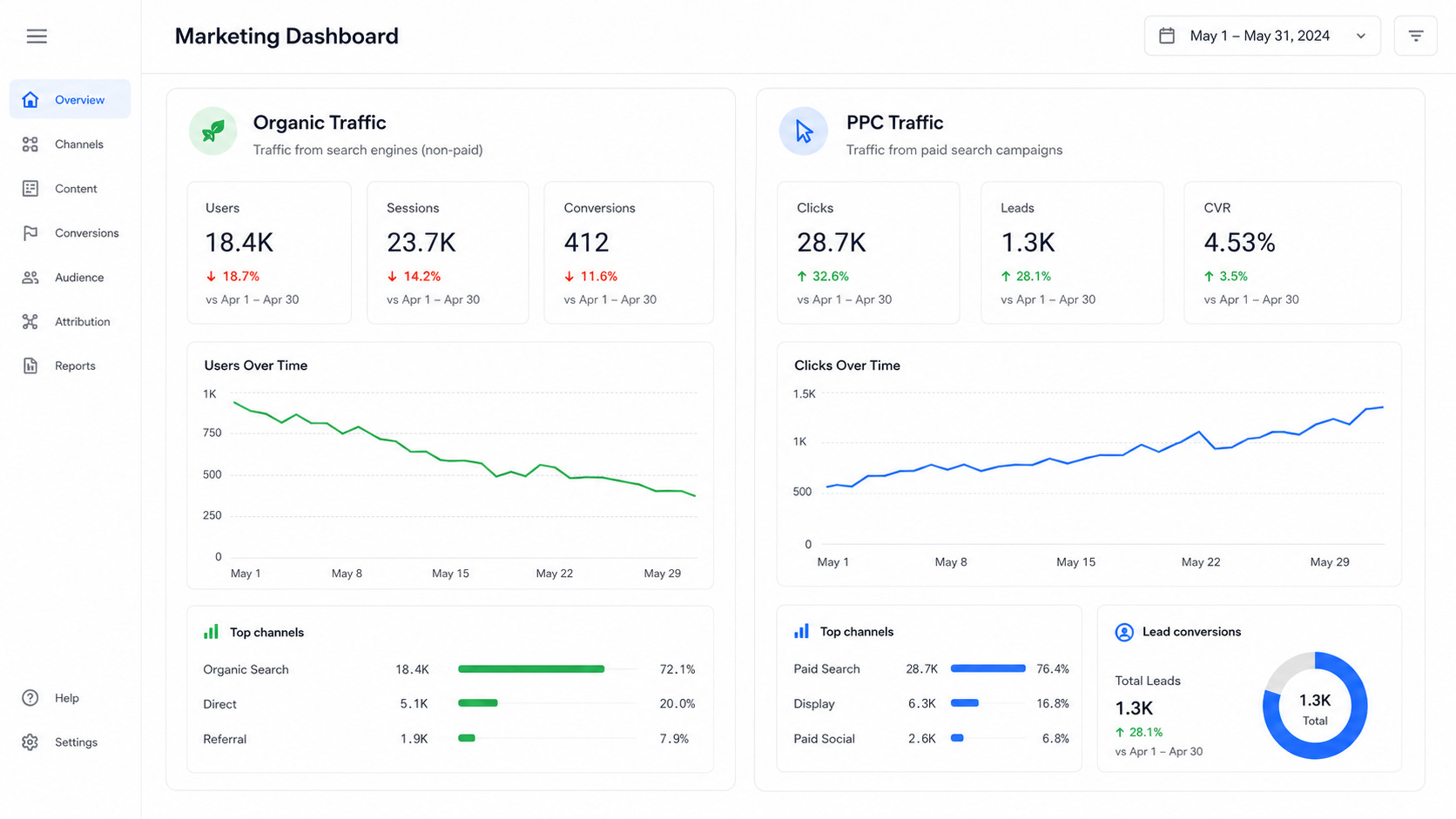
Stop there, and the conclusion is obvious: “Paid Search is working. Organic is not. Let’s invest more in PPC.”
But then you dig into the PPC campaigns driving that growth.
Branded Campaigns are generating more clicks and conversions. And if you check Google Search Console, your branded keyword impressions are up too.
So why are more people searching for your brand?
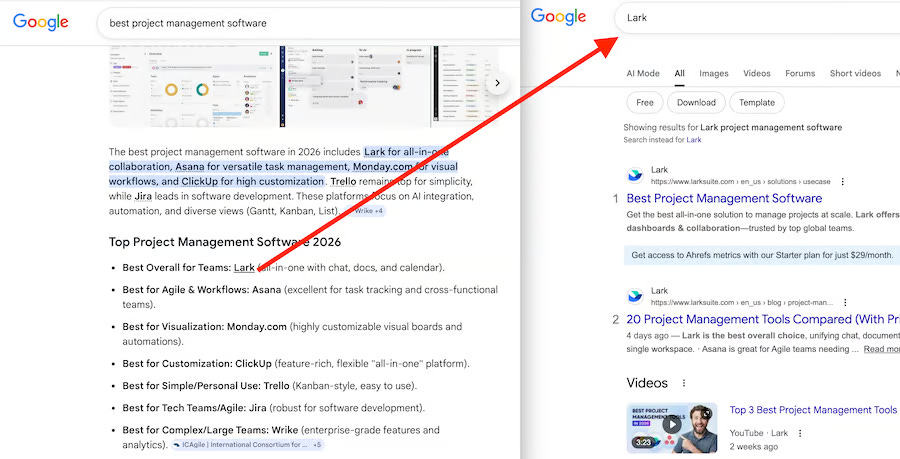
One likely answer: AI Search introduced your target buyer to your company, but did not send them directly to your website. Instead, they went to Google, searched your brand name, and clicked through from there.
That means branded Search or PPC gets the attribution credit for the first website visit. Not AI.
That shift creates an interesting change in the buyer journey, and it is one I’m starting to see more often.
Branded PPC gets credit for demand
I want to be super clear on this part. Branded PPC is actually a good idea and if you don’t invest here, you absolutely should start doing so - even if only a nominal amount to get started.
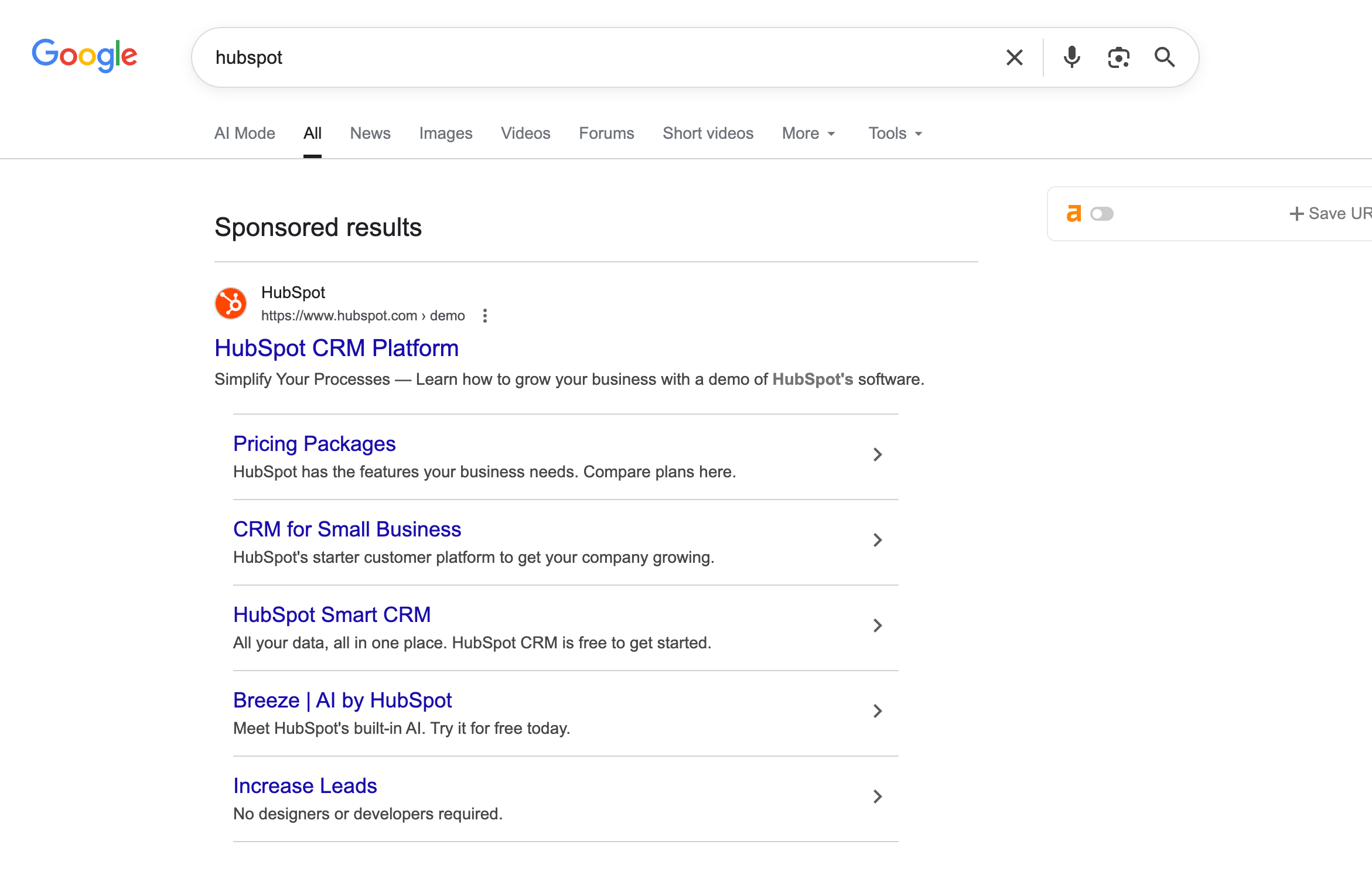
If someone searches your brand name, you want to own as much real estate of the Search Engine Results Page as possible.
In a paid ad, you can add up to 6-8 site links (the homepage, the pricing page, docs, the comparison page, and anything else) all of which you can control in PPC. You’ve successfully taken up a good 30% of the page already, making you brand the obvious click choice.
That’s so useful. It protects your brand terms. It gives you more real estate. It can stop competitors sitting above you on your own organic result.
But branded PPC has always created an attribution problem.
Someone might hear about you on a podcast, see your founder on LinkedIn, meet you at an event, read a third-party comparison page, or get a recommendation from a peer.
Then they Google your brand name and click the ad.
In the dashboard, that looks like PPC.
But PPC did not create the demand.
It captured it.
This isn’t new problem. It has been happening for years. AI Search just has added to that complication.
AI Search changes the path
AI tools are now part of product and service discovery.
A buyer can ask ChatGPT, Gemini, Perplexity, Claude, or Google AI Overviews something like:
- best project management software for agencies
- best CRM for B2B SaaS
- alternatives to HubSpot
- top SEO agencies for software companies
- best payroll software for remote teams
That is not just researching. The tools help buyers shortlist options in their vendor selection process much, much faster.
The AI system gives the buyer a set of brands to consider. Sometimes it pulls from third-party listicles. Sometimes it uses review sites. Sometimes it references comparison pages.
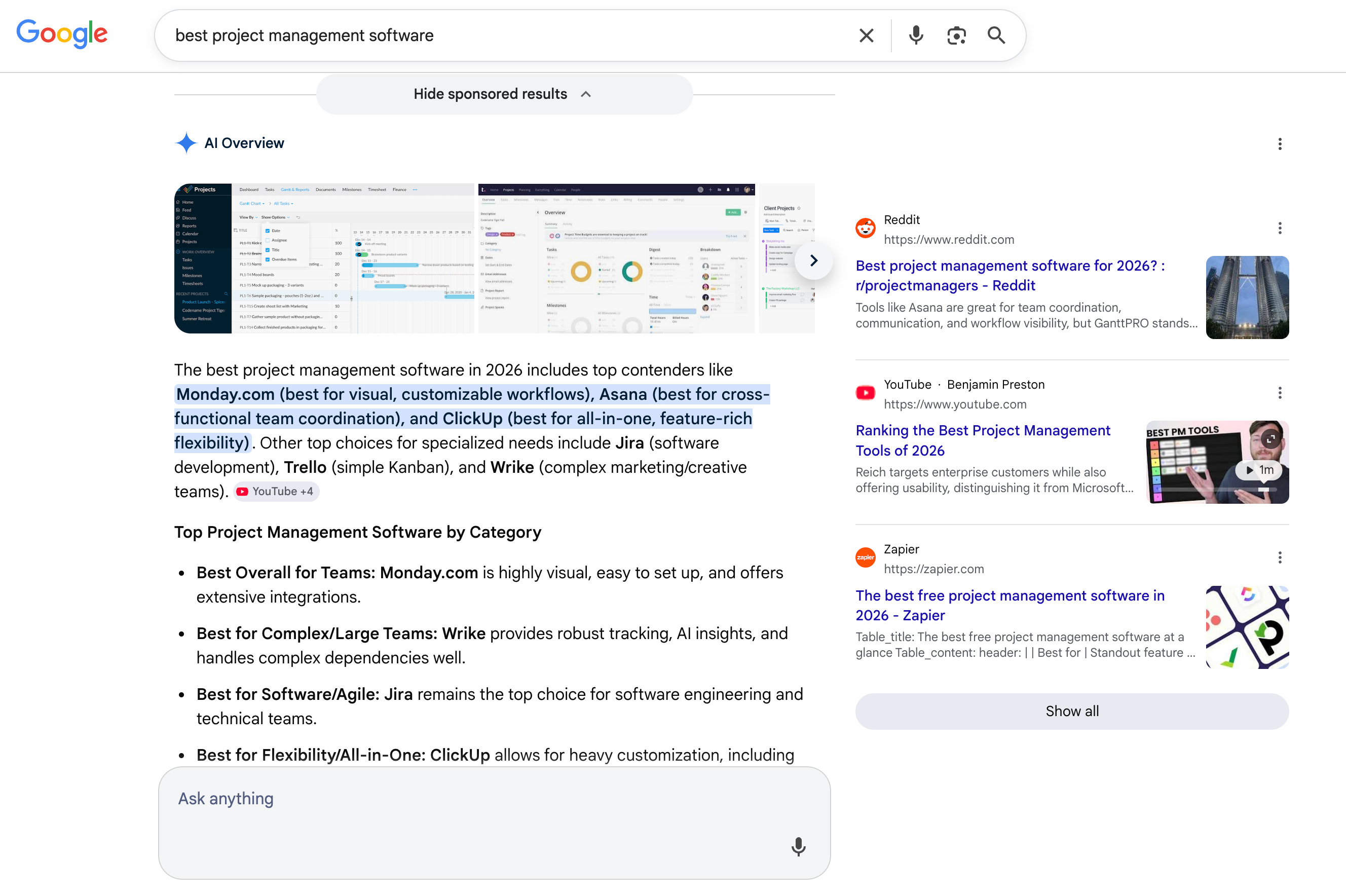
Your brand may show up in the answer. But the click path to your website is weak.
A lot of the time there is no direct link to your website. The citation instead goes to a third-party buyer guide where AI grabbed the information from. The answer includes your brand name and the buyer has discovered you, but they still has to Google Search to find your website and book a call.
Google AI Overviews adds another awkward layer here. In some cases, what looks like the next step just keeps the user inside Google or pushes them into another search experience.
The attribution path nobody sees
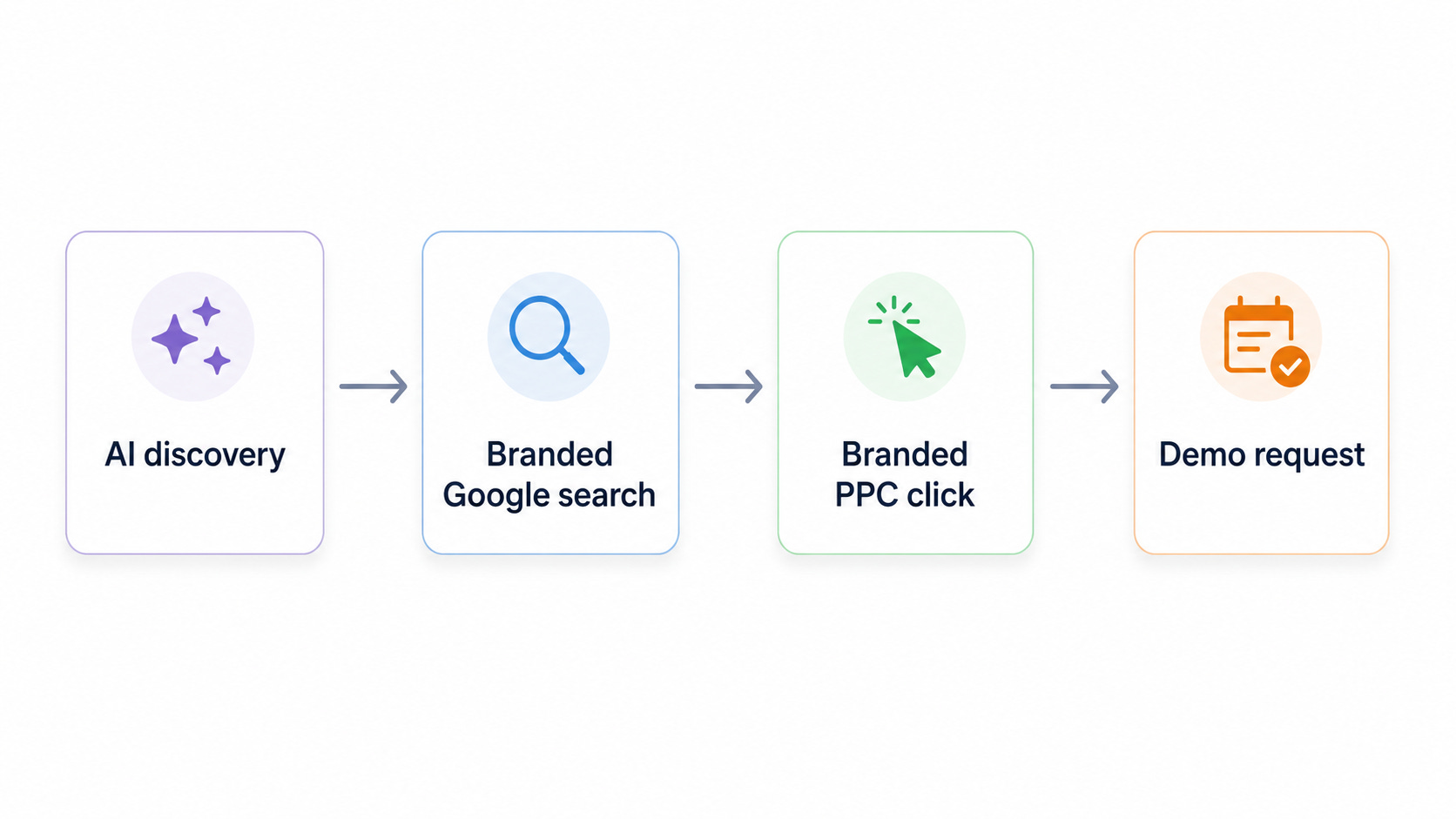
Here’s the path I think more teams need to watch:
- Buyer asks an AI tool for the best options in a category.
- Your brand appears in the answer.
- The buyer remembers your name (add to documentation), but does not click through.
- Later, they Google your brand.
- Your branded PPC ad appears at the top.
- They click it and convert.
- GA4 and your CRM credit Paid Search.
The dashboard is not technically wrong. The session did come from paid search. But the first moment of discovery may have happened inside AI Search.
That is the part dashboards and reports are missing.
This is why branded PPC growth can be misleading if you do not split it out properly in your reports.
If your PPC report bundles branded and non-branded campaigns together, you can end up thinking paid search is creating demand when it is partly capturing demand created somewhere else.
And if SEO or GEO influenced the buyer before the final click, that value may never show up in the channel report.
Is this a broken system?
Maybe not broken. But it is definitely incomplete.
There is no clean tool right now that can track this whole journey end to end and say:
“This buyer first found you in an AI answer, came back through branded search, clicked a PPC ad, and converted two weeks later.”
You can track AI referral clicks when they happen. You should do that using GA4 filters or filters on your CRM by looking at referral domains (i.e. is from chatgpt.com).
But those are only the visible clicks and are usually when you are cited to support an answer.
They do not capture the buyer who saw your brand in ChatGPT, remembered it, left the tool, and searched for you later. They also do not capture recommendations created by third-party sources that influenced the answer.
That is why raw AI referral traffic can look underwhelming while AI visibility still matters.
A Conductor benchmark data showing AI referrals represented just 1.08% of website traffic. That sounds tiny. But referral traffic only measures the click. It does not measure brand recall, shortlist inclusion, or later branded search.
This is the reporting gap. AI Search can create demand and analytics cannot see it.
But what do I do with this data?
If you are trying to understand whether AI Search is influencing branded demand, I would not look for one perfect attribution model. I would build a small reporting view that watches a few signals together.
Here’s how I’d do it.
1. Split branded and non-branded PPC
This is the first thing I would fix.
Do not report paid search as one blended number. If branded PPC is rising, you need to know whether paid search is creating new demand or capturing people who were already looking for you.
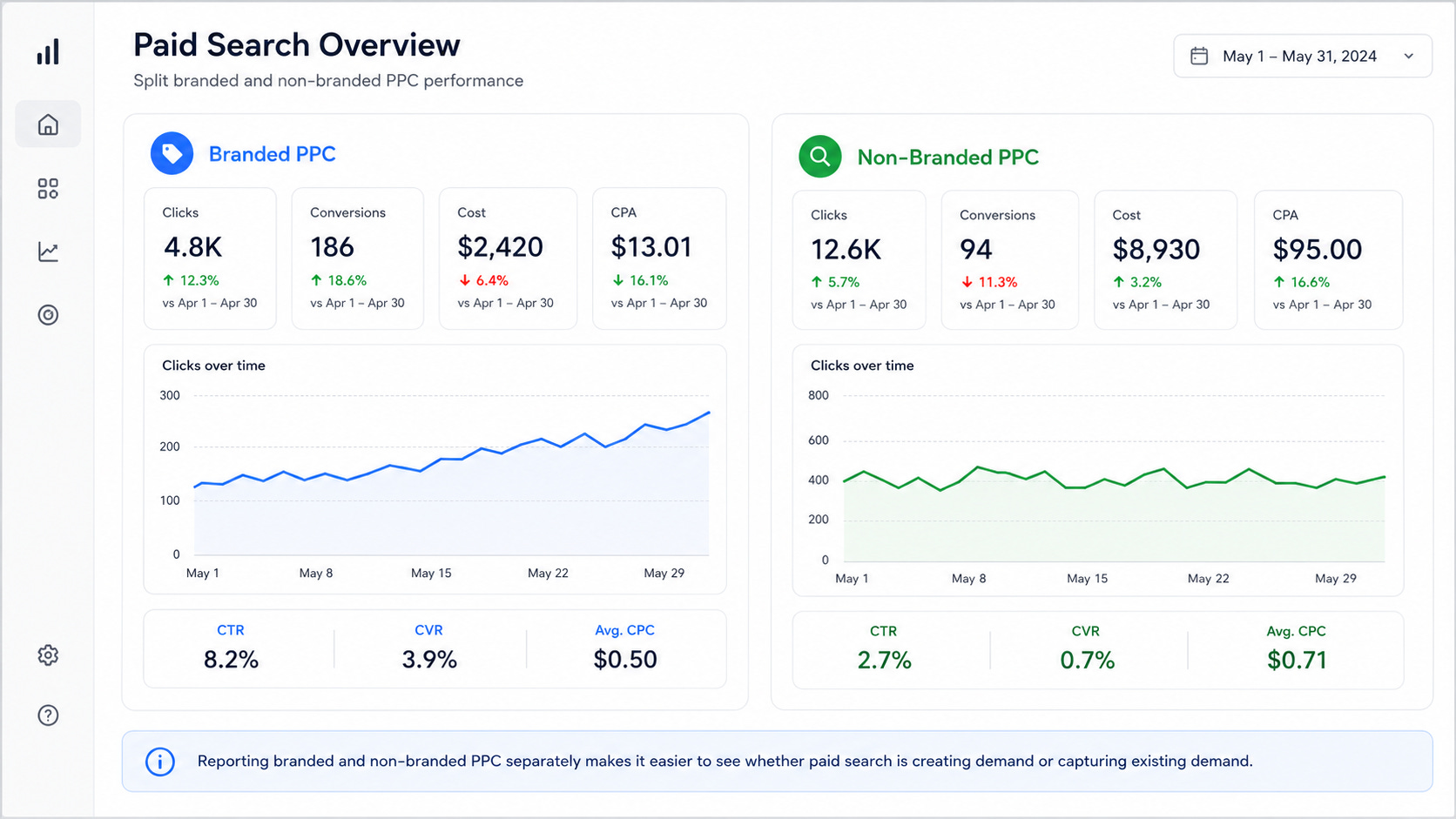
At minimum, report:
- branded PPC clicks
- branded PPC conversions
- non-branded PPC clicks
- non-branded PPC conversions
- branded campaign cost
- branded campaign CPA
This alone will make the channel story much clearer.
2. Watch branded search in Google Search Console
Filter your GSC queries for brand terms and track impressions and clicks over time.
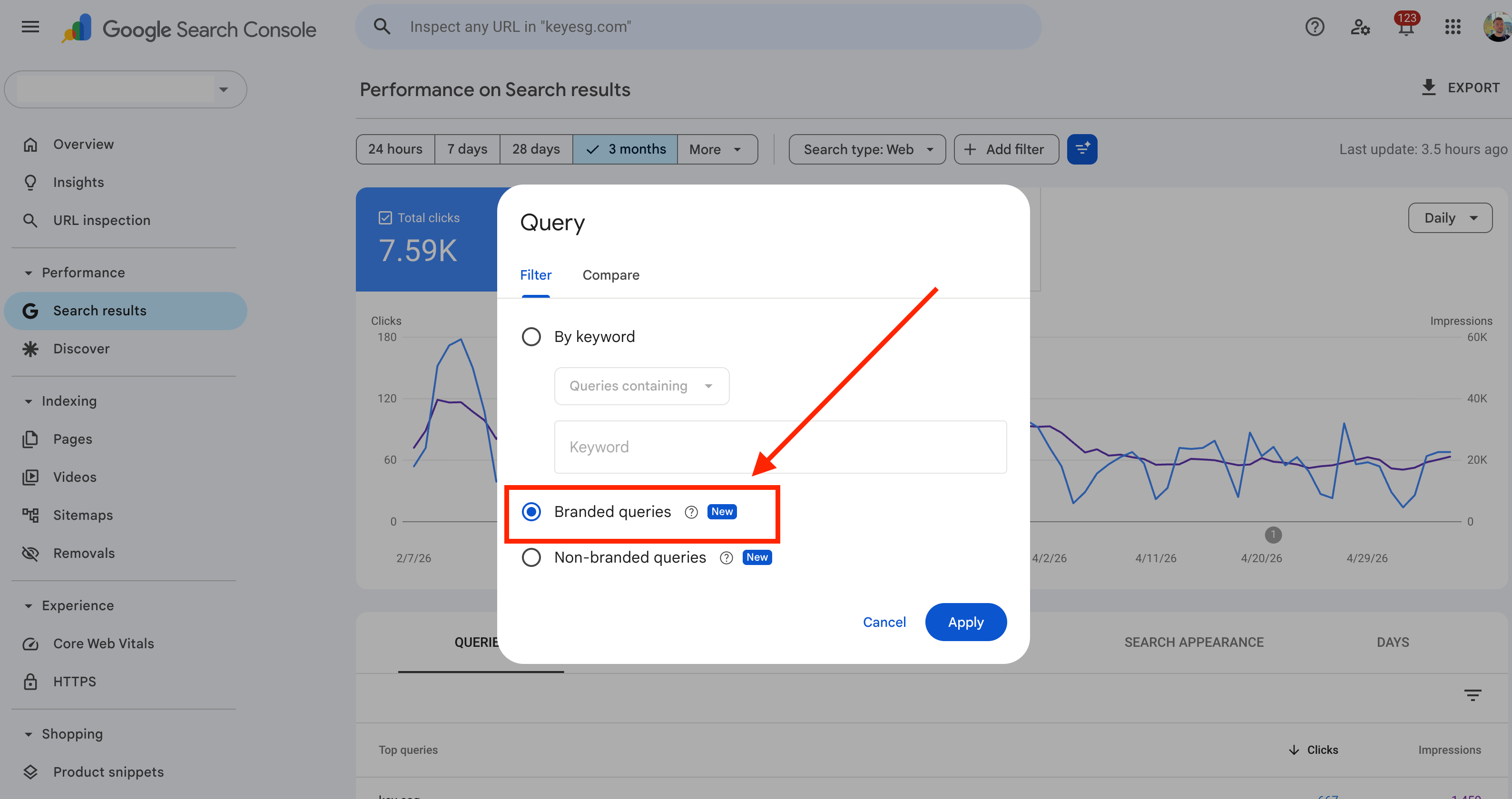
This will not prove AI Search caused the increase. But if your AI visibility is improving and branded search is rising at the same time, that is a useful signal.
The annoying limitation is that GSC does not pass the keyword into GA4, so you cannot tie a branded organic query to later session behaviour cleanly.
Still, it is one of the best directional signals you have.
3. Track AI visibility by query type
Do not just track whether your brand is mentioned.
Track where it is mentioned.
A mention for “what is CRM software” is not the same as a mention for “best CRM for B2B SaaS companies.”
One is broad education. The other is much closer to a shortlist.
For this, you can use tools like Ahrefs, Semrush, Peec AI, Profound, or a manual prompt set if you are just starting.
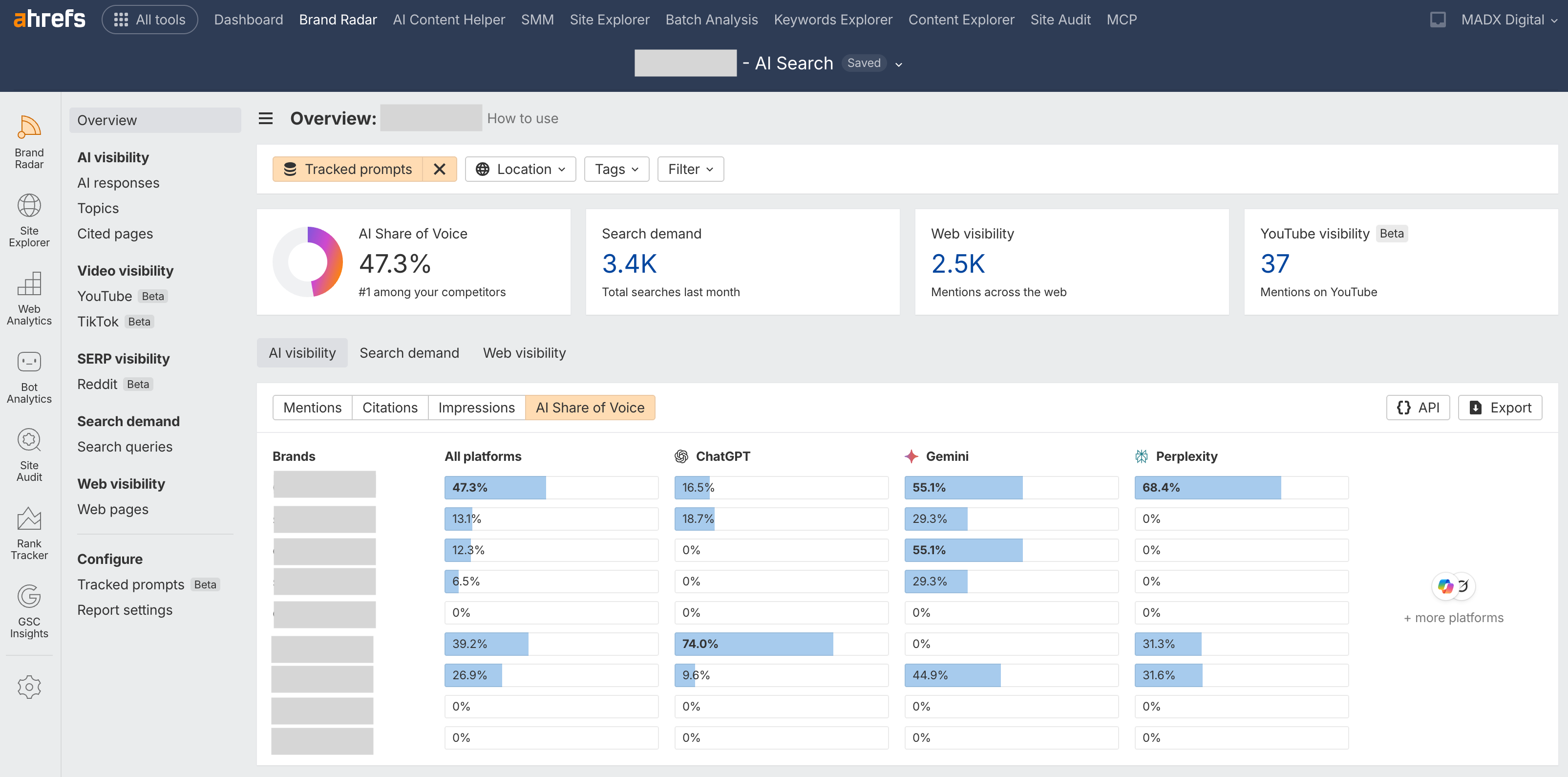
The important part is not the tool. The important part is segmenting prompts by intent.
4. Check the sources shaping the answer
This is where a lot of teams stop too early.
They check their own website and wonder why they are not showing up.
But AI systems often use third-party pages to shape recommendations. Listicles, review sites, comparison pages, category guides, forums, partner pages, and editorial content can all influence whether your brand appears.
So you need to know:
- Which third-party pages mention you?
- Which ones mention your competitors but not you?
- Which pages are cited or surfaced repeatedly?
- Which pages rank in Google for the same commercial queries?
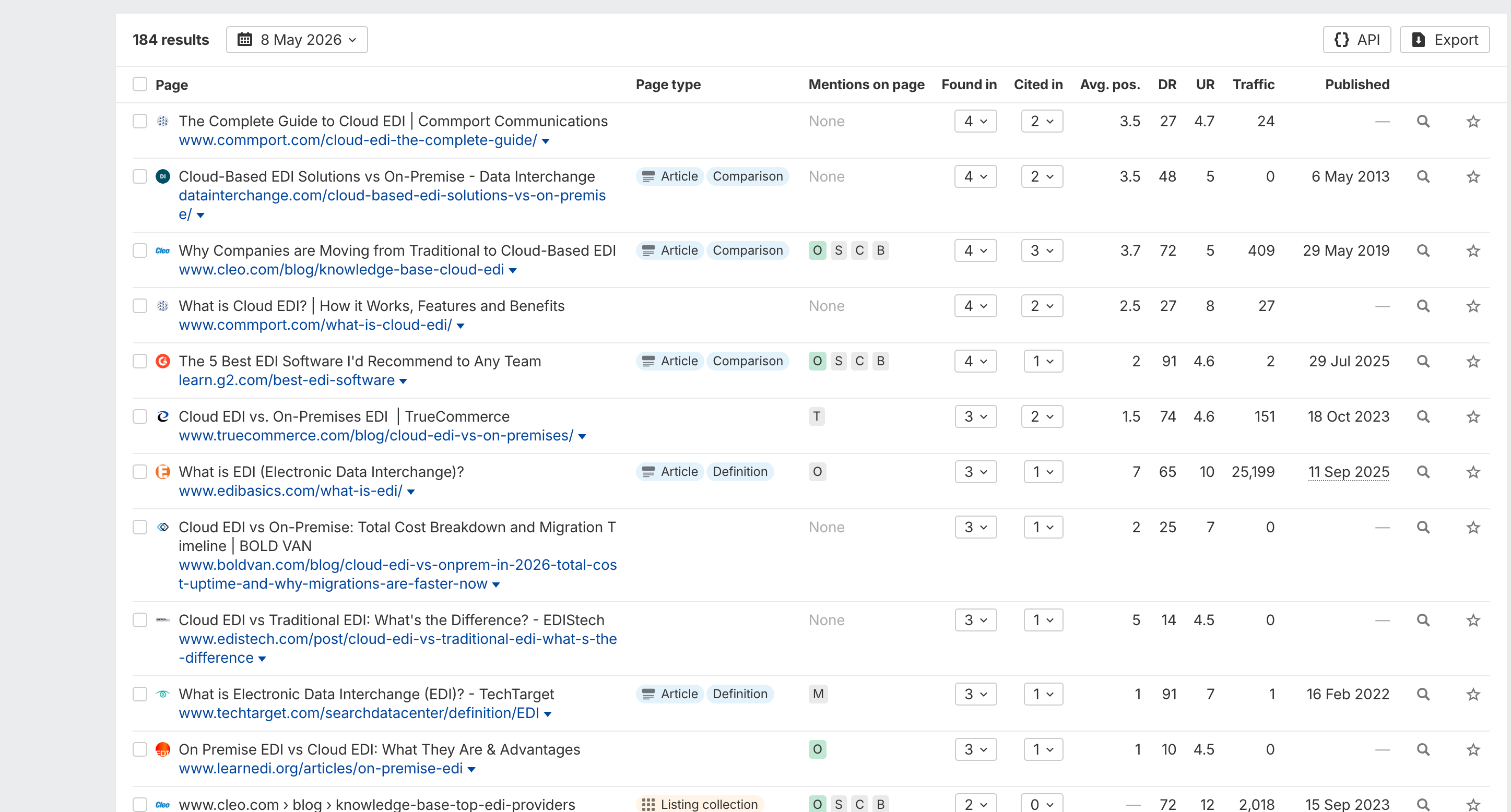
If competitors are present in those sources and you are not, that is a visibility gap.
Not just a PR gap.
5. Add self-reported attribution
This is still one of the most useful things you can do.
Ask leads: “How did you first hear about us?”
Use a dropdown so the answers stay consistent.
Include options like:
- Google search
- ChatGPT or another AI tool
- Referral
- Podcast or event
- Review site
- Not sure
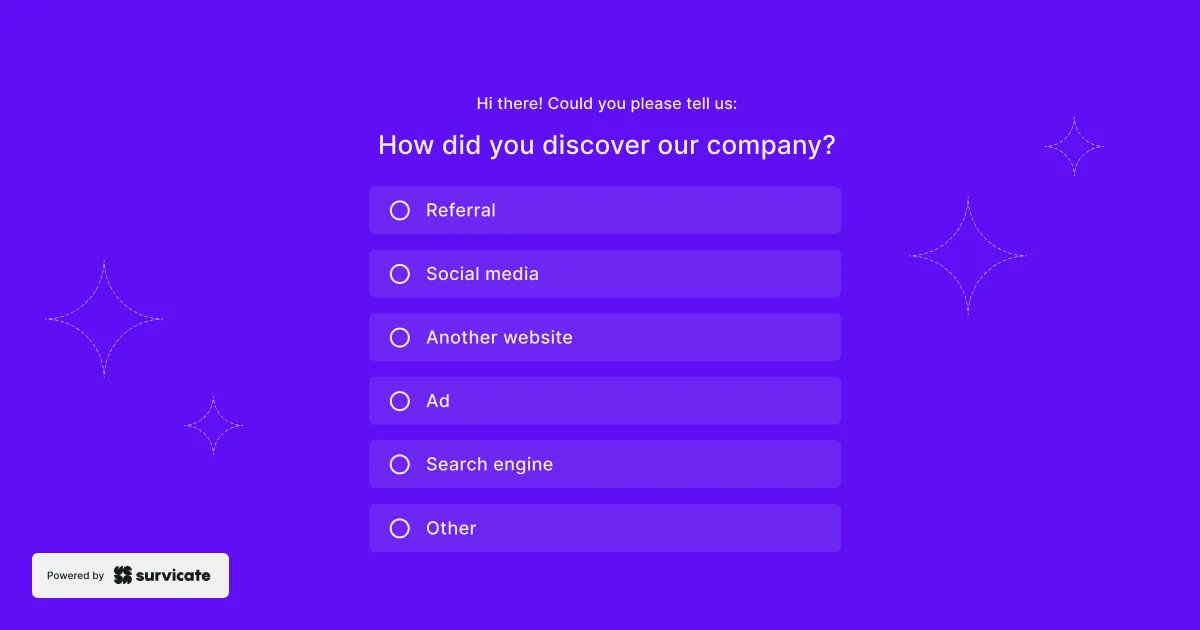
Do not expect perfect data here. People misremember. Some will pick the wrong option. Some will say “Google” even if they first saw you somewhere else.
But you will still catch patterns your analytics misses.
And right now, that is the point.
The honest limitation
This will not give you perfect attribution.
No setup right now will cleanly connect every AI mention to every later branded search, PPC click, demo request, and closed deal.
That is not where the tools are yet. The goal is not to pretend you can prove everything. The goal is to stop pretending last-click explains the whole thing.
If branded PPC is rising while branded search demand is rising and your AI visibility is improving, you should at least question whether PPC created the demand or simply captured it.
That is a much more useful conversation than “SEO is down, PPC is up.”
How I’d use this
For reporting, I’d add a small section to your monthly dashboard called something like:
AI Search and Branded Demand Signals
Inside that section, I’d show:
- AI visibility across commercial prompts
- branded GSC impressions and clicks
- branded PPC clicks and conversions
- branded vs non-branded paid search split
- self-reported attribution trends
- third-party source gaps
You do not need to overcomplicate it.
You just need enough data to see whether brand demand is moving while AI visibility is moving.
For sales calls, I’d also ask the question directly. If someone says they first saw you in ChatGPT, Perplexity, Reddit, a comparison page, or a third-party guide, make sure that gets logged somewhere useful.
For leadership, I would frame it like this:
“We are not trying to prove AI Search drove every conversion. We are trying to understand whether AI Search is increasing branded demand that later converts through other channels.”
That is a more honest model.
And it is probably closer to how buyers actually behave.
The takeaway
If branded PPC is rising, do not automatically assume PPC created the demand.
It may have captured demand created earlier by SEO, AI Search, brand, social, referrals, or third-party content.
This has always been true. AI Search just makes the gap bigger. The fix is not perfect attribution. We do not have that yet.
The fix is better reporting and understanding of that reporting:
- split branded and non-branded PPC
- watch branded search demand
- track AI visibility by buying-stage query
- monitor third-party source gaps
- ask people how they found you
Not perfect. But much closer to reality.
If this is the kind of reporting problem your team is dealing with, this is exactly what we help with at MADX Digital.
We help software companies understand where they show up in AI Search, where they are missing, and how that visibility connects to branded demand, pipeline, and revenue.
Frequently Asked Questions
What is the AI search attribution problem?
The AI search attribution problem is that AI tools can introduce buyers to your brand without sending a direct website visit, meaning analytics platforms often give credit to another channel later in the journey.
For example, someone may discover your company in ChatGPT, Gemini, Perplexity, Claude, or Google AI Overviews. Instead of clicking through directly, they remember your brand, search for it on Google later, click a branded PPC ad, and convert.
In GA4 or your CRM, that conversion may appear as Paid Search. But Paid Search did not create the demand. It captured demand that may have started in AI search.
This makes channel reporting incomplete, especially when branded PPC, branded search impressions, and AI visibility are all rising at the same time.
Why can branded PPC make AI search attribution harder?
Branded PPC can make AI search attribution harder because it often gets credit for conversions from buyers who already knew your brand before clicking the ad.
Branded PPC is still valuable. It helps you protect your brand terms, take up more space on the search results page, control sitelinks, and reduce the risk of competitors appearing above your organic listing.
The issue is attribution.
If a buyer first hears about your company through AI search, a podcast, LinkedIn, a referral, a review site, or a third-party comparison page, then later searches your brand and clicks your ad, PPC receives the conversion credit.
That can make paid search look like it is creating demand when it is partly capturing demand created elsewhere.
How can you tell if AI search is influencing branded demand?
You can look for patterns across AI visibility, branded search, branded PPC, and self-reported attribution instead of relying on one perfect attribution model.
Start by tracking whether your brand appears in AI answers for commercial and buying-stage prompts, such as “best CRM for B2B SaaS” or “top SEO agencies for software companies.”
Then compare that visibility with branded search impressions and clicks in Google Search Console, branded PPC clicks and conversions, and direct feedback from leads on how they first heard about you.
None of these signals prove causation on their own. But if AI visibility is improving while branded search and branded PPC activity are also rising, it is worth asking whether AI search is creating demand that later converts through another channel.
What should teams include in an AI search attribution report?
Teams should include a simple reporting section that connects AI search visibility with branded demand signals.
A useful monthly dashboard section could include AI visibility across commercial prompts, branded Google Search Console impressions and clicks, branded PPC clicks and conversions, branded versus non-branded paid search performance, third-party source gaps, and self-reported attribution trends.
The goal is not to prove every AI mention led to a specific conversion. Current analytics tools cannot do that cleanly.
The goal is to build a more realistic view of how buyers discover, remember, search for, and eventually convert with your brand.
.png)
Latest articles
What we've published in the past 30 days — across SEO, GEO, content, and digital PR.