SEO
Calculating...
Aug 2026
Top 5 SEO Audit Tools for SaaS Websites Compared
Compare the best SEO audit tools for SaaS websites and discover which platforms deliver the most value for growing SaaS teams to scale organic growth.

In SaaS SEO, audits form the base for predictable organic acquisition rather than one-off optimisations. SEO audits shape how SaaS teams allocate time, engineering effort, and growth budget.
SEO audit tools help the teams understand how search engines crawl and index their websites. These website SEO audit tools analyse crawlability, technical performance, content structure, and internal linking to show where visibility improves and where growth stalls.
This comparison examines five SEO audit tools used by SaaS teams, focusing on how clearly each tool supports prioritisation, execution, and sustained organic growth.
What We'll Cover
TL;DR - Best SEO Audit Tools for SaaS Websites
Before diving into the details, here’s a quick SEO audit tools list highlighting the best SEO audit tools for SaaS websites, based on use case, scale, and pricing:
| Tool | Best for | Pricing |
|---|---|---|
| SEMrush | Scaling SaaS teams running recurring technical audits across content-heavy sites. | SEO Classic Pro from $117.33 per month |
| Ahrefs | SaaS teams combining technical audits with backlink and authority analysis. | Plans from $99 per month; limited audits via Ahrefs Webmaster Tools. |
| Moz Pro | Early to mid-stage SaaS teams aligning audits with rankings and authority. | Plans from $49 per month |
| SE Ranking | Small SaaS teams or agencies needing frequent audits and clear reporting. | Essential plan from $65 per month with unlimited audits |
| Screaming Frog | Deep technical audits for complex SaaS sites, templates, and documentation. | Free up to 500 URLs; $259 per year for unlimited crawls |
Why Do SaaS Websites Need Specialized SEO Audit Approaches?
Most SEO audit tools are built for blogs and ecommerce sites. They miss what makes SaaS different: complex product structures, feature hierarchies, documentation systems, and conversion paths that span multiple page types.
Here's why SaaS teams need a specialized approach to SEO audits:
- SaaS websites are constantly changing: Unlike a static blog or brochure site, your product is evolving. New pages go live. Old ones get retired. Features get updated. A standard SaaS SEO platform or SEO audit tool must track all these changes and ensure that search engines can still find your content.
- Your SEO audit needs to align with how people actually buy: SaaS has a specific buyer journey: awareness, evaluation, trial, conversion. A good SEO audit for SaaS should show you:
- Are your feature pages connecting visitors to pricing and sign-up flows?
- Are new product pages being indexed and discovered by search engines?
- Is your content actually supporting each stage of the buying process?
- Which pages get traffic but don't drive trials or demos?
The real value of a SaaS-focused SEO audit is turning constant site changes into predictable growth. When your best SEO audit tools understand your product's unique structure, you get clarity on what's working, what's not, and where to focus next.
That's the difference between how generic tools and one built for SaaS perform SEO audits.

What to Look for in SEO Audit Tools for SaaS Websites
Not all SEO audit tools for SaaS are created equal. A good SaaS SEO tool prioritizes what matters: not just finding problems, but solving ones that drive growth.
A few key features to look for in SEO audit tools for SaaS websites are:
- Crawl and indexation visibility: Tools should show how bots navigate JavaScript-rendered pages, templates, and parameterised URLs, and which pages are consistently indexed.
- Technical issue prioritisation: The best SEO auditing tools highlight problems on your high-value pages first: your pricing page, feature comparisons, and signup flows. These are the pages that drive real business outcomes.
- Content quality and duplication detection: A solid SEO audit tool surfaces these overlaps and thin content. This way, you can consolidate and strengthen SaaS landing pages instead of diluting your authority across multiple weak versions.
- Site architecture insight: Authority flows through your site via internal links. The right tool reveals how authority moves between your blog, feature pages, integrations, and pricing sections.
Top SEO Audit Tools for SaaS Websites - Compared
SEO audits only matter if they help teams make better decisions. In SaaS, that usually means deciding what to fix now, what can wait, and how site changes affect trials, demos, and long-term acquisition.
Different tools support different moments in that process. Some are better for ongoing monitoring as the site grows. Others work when teams need clarity on authority, links, or deep technical structure.
The tools below are commonly used by SaaS teams, each for a distinct reason:
1. SEMrush
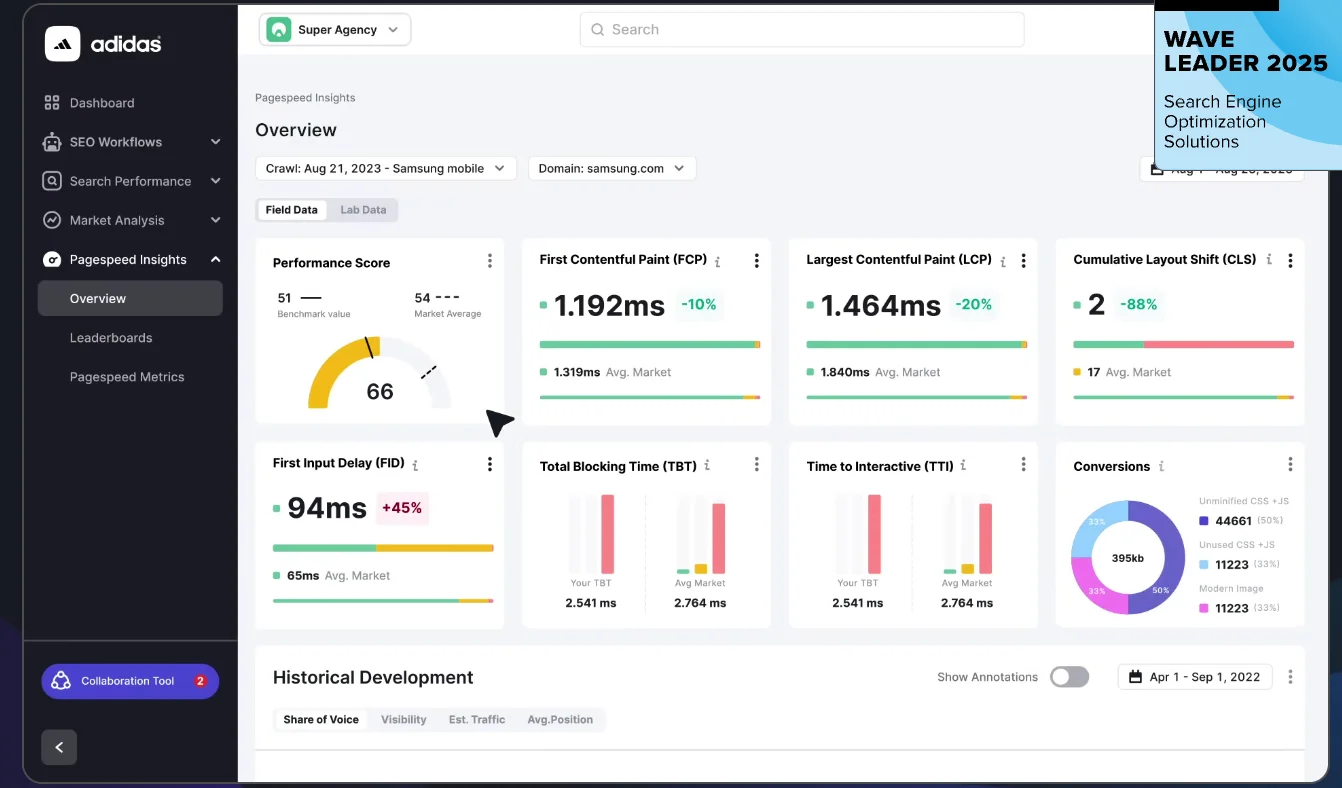
SEMrush has one of the most comprehensive web-based audit experiences, specifically designed to bridge the gap between technical issues and marketing ROI.
It is very useful once the site reaches a point where new pages, features, and content are shipped regularly, and visibility needs to be monitored continuously. Usually, teams use it to keep track of technical health over time and to understand how changes introduced during releases affect overall performance.
Pricing: SEO plans start at $117.33 per month and go up as your team grows.
If you want to explore other alternatives, check out our blog on SEMrush alternatives. We have included both free and paid tools to help you choose the best one.
2. Ahrefs
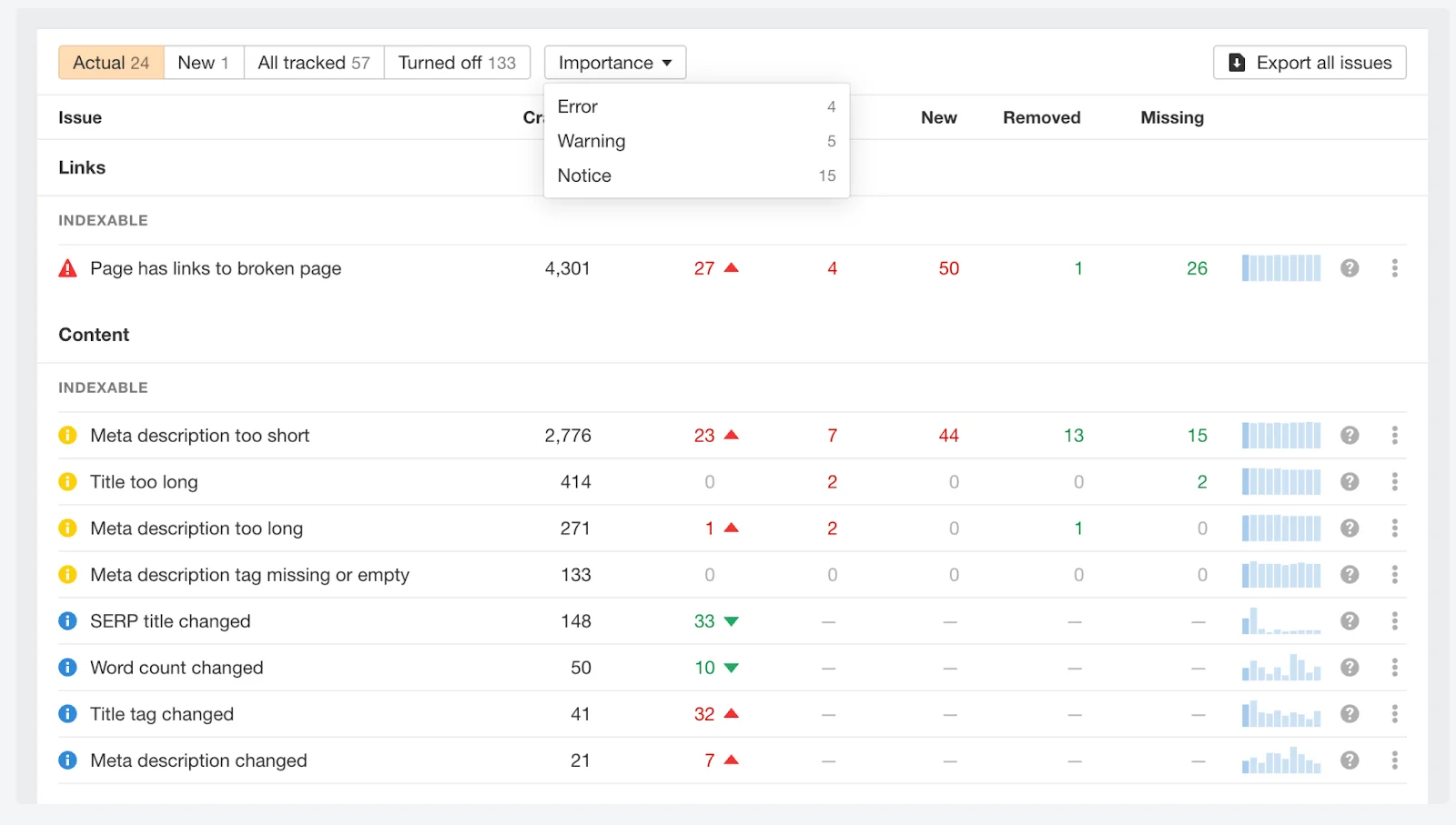
Ahrefs excels at showing the relationship between technical structure and link authority. For SaaS sites that rely on public-facing documentation or landing pages, the Site Audit tool identifies "orphan pages" that are missing out on valuable ranking power.
Also, its cloud-based crawler is exceptionally fast and provides a highly accurate "Health Score."
Pricing: Starts at $99 per month. But it has a free tier for basic scans of verified sites.
For a deeper breakdown of features, limitations, and real-world user experience, read our detailed Ahrefs review blog.
3. Moz Pro
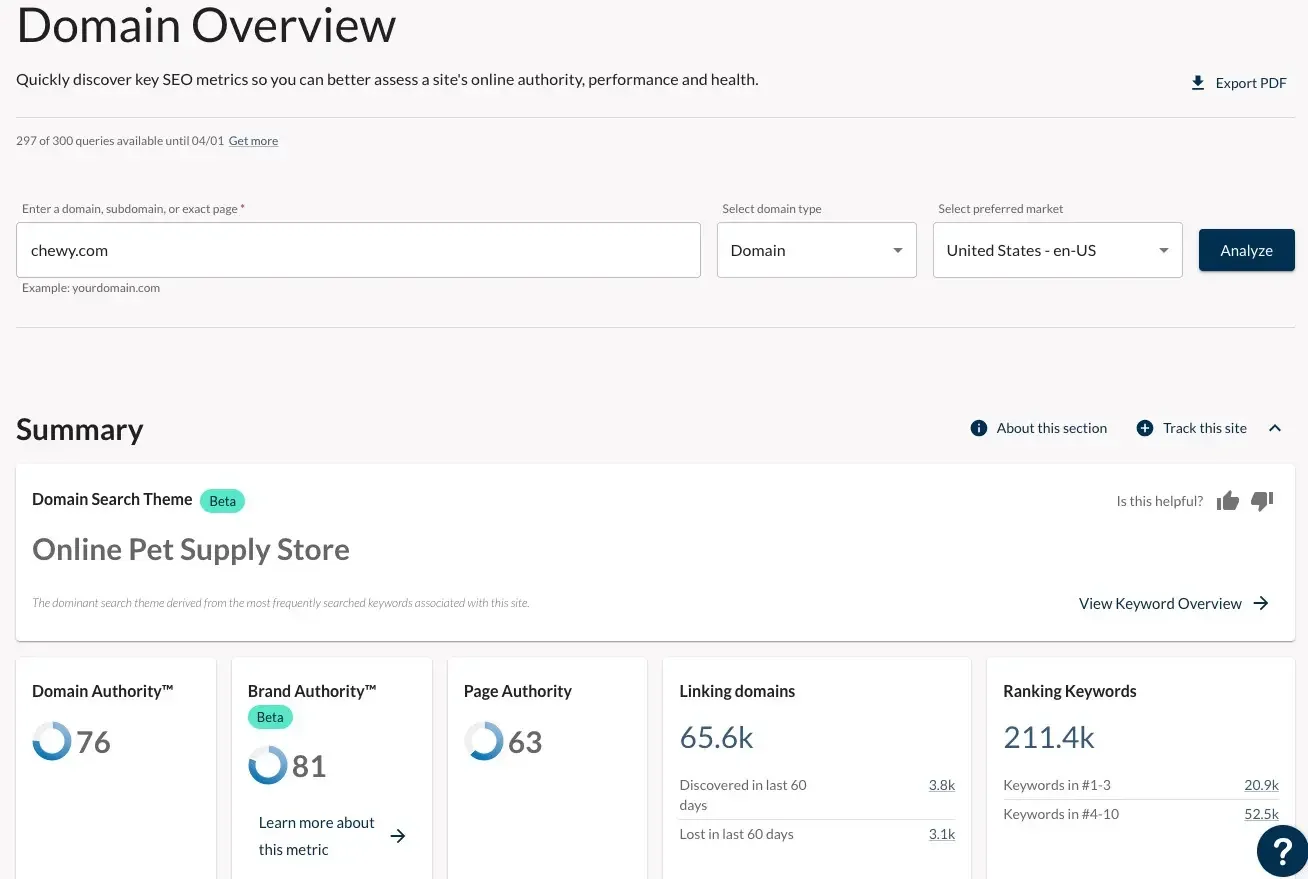
Moz Pro is built for clarity and education, making it the go-to tool for teams where the person running the audit may also be managing social media or PPC.
It uses the famous Domain Authority (DA) metric to help you understand how your site's technical health stacks up against competitors. The checklist format turns complex technical audits into a manageable list of tasks.
Pricing: Full Moz Pro suite starts at $49 per month and crawls 20k pages.
If you’re comparing alternatives or considering switching, explore our guide to the best Moz Pro alternatives to find a better fit for your needs.
4. SE Ranking
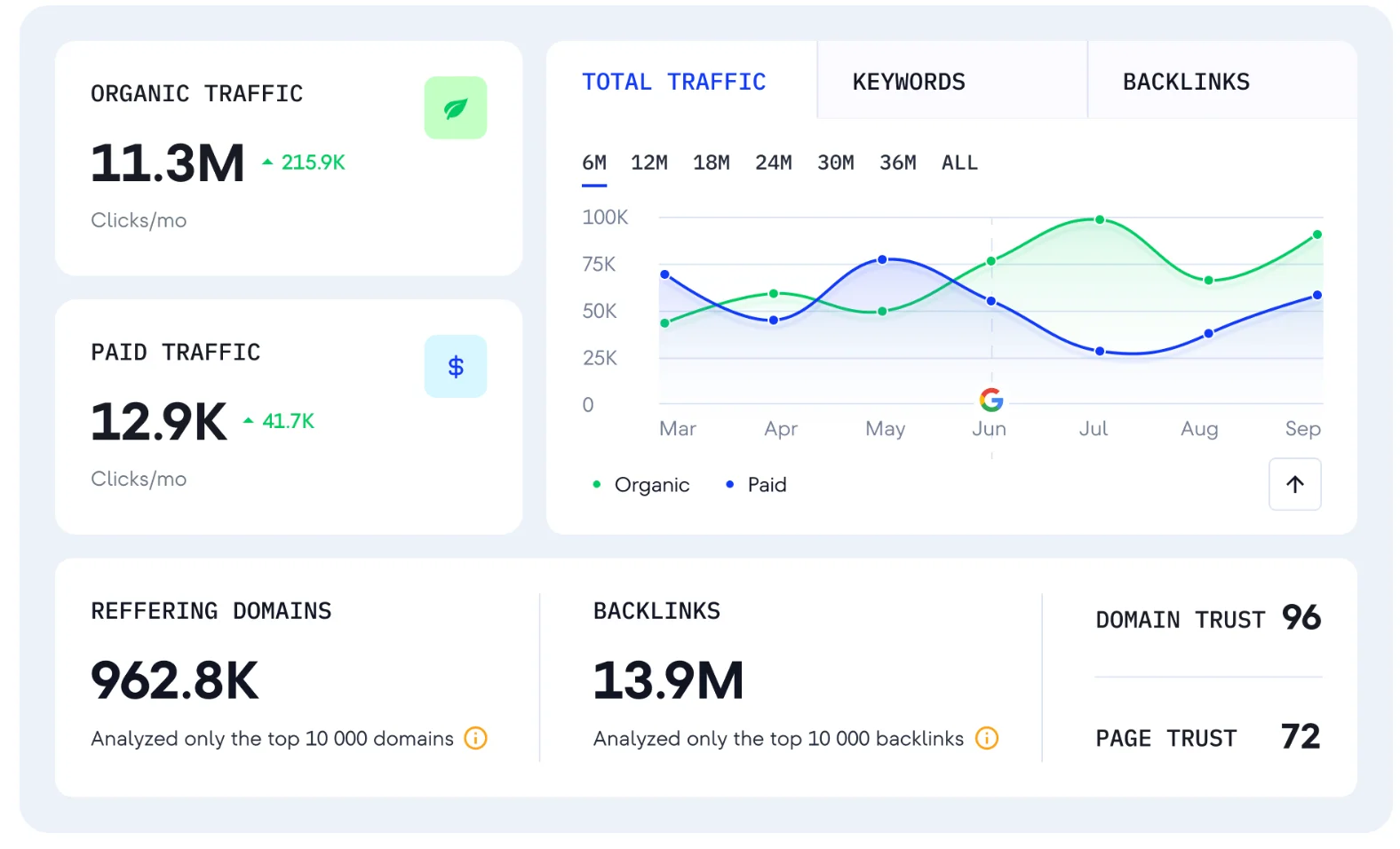
SE Ranking provides enterprise-level features without the enterprise price tag. It combines technical auditing with robust SaaS competitive analysis, allowing you to see exactly where your rivals are outperforming you.
The tool also has a clean interface with no unnecessary complexity or overwhelming dashboards.
Pricing: Plans start at approximately $65 per month.
For a full feature analysis and performance breakdown, read our detailed SE Ranking review.
5. Screaming Frog
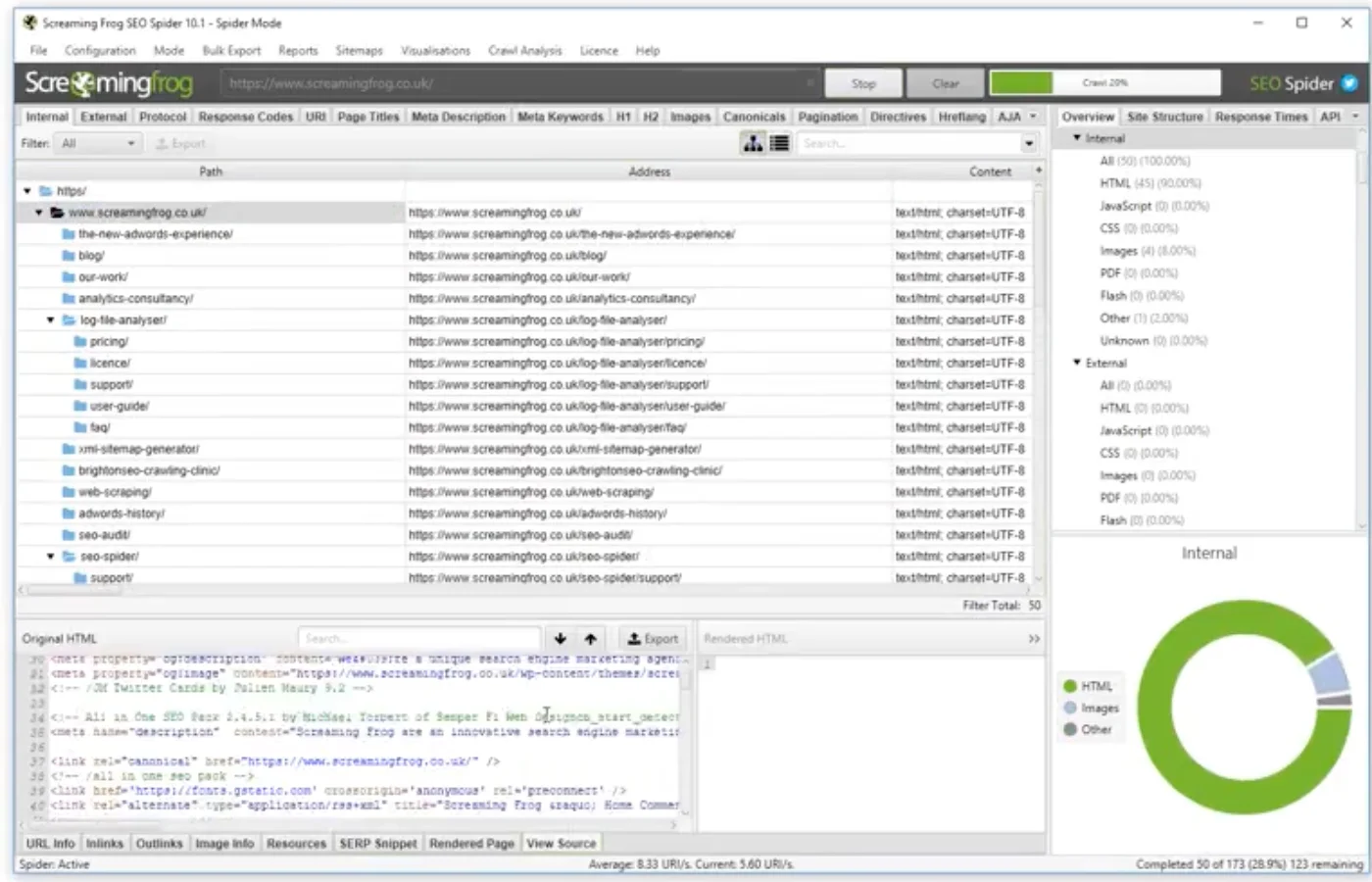
Unlike the other tools on this list, Screaming Frog is a desktop application. This allows it to handle large amounts of data and perform granular checks that cloud tools often miss.
It’s often used alongside other tools to diagnose specific structural or crawl-related issues that require hands-on inspection.
Pricing: Free for up to 500 URLs; the paid version is approximately $259 per year for unlimited crawling.
These SEO audit tools give SaaS teams visibility into technical health, content quality, and site structure. Growth follows when those insights shape clear positioning, focused execution, and pages that reflect how buyers search and evaluate solutions.
This is where MADX Digital comes in.
MADX Digital helps SaaS companies turn audit insights into growth. We handle technical SEO, intent-driven content, Generative Engine Optimization (GEO), and content planning services, making sure your site actually drives demos and signups.
Instead of treating audits as standalone reports, our team integrates them into a system that guides you on what to fix, what to build next, and how each page supports real buying decisions.
Book a discovery call with our team to understand how SEO copywriting, strategy, and expertise work for your business.
How to Run Effective SEO Audits for Your SaaS Website
Effective SaaS SEO audits follow a clear sequence. Each step builds visibility, supports product growth, and connects search performance to trials and demos.
Let’s look at the steps in detail:
- Map crawl and index coverage: Ensure your most important conversion pages are no more than 3 clicks away from the homepage. Look for "orphan pages," these are valuable content that has zero internal links pointing to it.
- Test technical performance on conversion paths: Test how your pages load. Aim for a Largest Contentful Paint (LCP) of under 2.5 seconds to prevent potential leads from bouncing. Verify that your "Login" or "App" subdomains are correctly separated from your marketing site to avoid confusing search engines.
- Audit internal linking and page flow: Identify your most linked-to blog posts and add direct links from them to relevant feature pages. Eliminate redirect chains and broken links that leak authority and frustrate users during their evaluation.
- Benchmark against the competition: Compare your mobile-friendliness and site security (HTTPS) with those of your top three competitors. Ensure your metadata (titles and descriptions) is more compelling and benefit-driven than the rival listings appearing next to you.
This process applies equally to early-stage SaaS teams and to SEO audits in small-business contexts, where focus and prioritisation matter most.
When to Hire SaaS SEO Specialists
Audit tools are powerful. But sometimes you need expert judgment to turn findings into real growth. SaaS teams typically bring in SaaS SEO specialists when:
- Organic traffic has remained flat for six months despite consistent publishing
- SaaS changes its core features or target audience
- Moving from one domain to another or changing your URL structure
- Customer Acquisition Cost (CAC) via Google or Meta Ads is rising
The best SEO agencies translate audit findings into coordinated improvements across technical SEO, content structure, and authority building.
This aligns search visibility with product positioning and long-term growth goals.
How MADX Digital Helps SaaS Teams Scale SEO with Confidence
The best SEO audit tools show content gaps, technical issues, and how site changes affect visibility. But these insights make sense only when they're organized into clear priorities and executed with purpose.
MADX Digital does exactly this. We connect audit data with SaaS positioning, intent-led SEO copywriting, technical execution, and GEO. This creates an SEO system where tooling, content, and site architecture work together to support rankings, evaluation journeys, demos, and long sales cycles.
If you want your SEO audits to translate into predictable organic acquisition and revenue impact, book a discovery call with MADX Digital. Our team will review your site, map how buyers experience your messaging, and outline a clear path to scaling SaaS SEO with focus and confidence.
Frequently Asked Questions (FAQs)
How Often Should SaaS Websites Run SEO Audits?
SaaS websites should run a full SEO audit every quarter, with lighter checks after major releases. Quarterly audits give teams enough signal to spot crawl issues, indexation gaps, and content drift as the site evolves.
Also, regular checks after feature launches, pricing updates, or major content changes ensure new pages are discoverable and connected to conversion paths.
How Accurate are Automated SEO Audit Tools for SaaS?
Automated SEO audit tools are reliable at recognizing technical and structural signals across SaaS websites. They consistently surface crawl errors, indexation gaps, page speed issues, duplicate URLs, and internal linking problems.
Accuracy increases when these findings are interpreted in the context of product structure, user intent, and conversion paths.
Are SEO Audit Tools Useful for Early-Stage SaaS Companies?
Yes. An SEO audit tool shows you exactly what to prioritize, like technical fixes, content gaps, or linking strategy, which saves months of guessing.
This creates a site that supports future launches, clearer positioning, and steady organic growth as demand builds.
Can SEO Audit Tools Detect Duplicate Content Issues in SaaS?
Yes, most SEO audit tools identify repeated feature copy, template-driven pages, parameterised URLs, and overlapping documentation.
Once identified, teams consolidate authority through canonicalisation, structured internal linking, and content differentiation. This turns duplicated pages into high-performing URLs that rank and convert traffic into visitors.
.png)
Latest articles
What we've published in the past 30 days — across SEO, GEO, content, and digital PR.